
Close
"Aviation is proof that given the will, we have the capacity to achieve the impossible."
Eddie Rickenbacker (Aviator / Founder of Eastern Airlines)


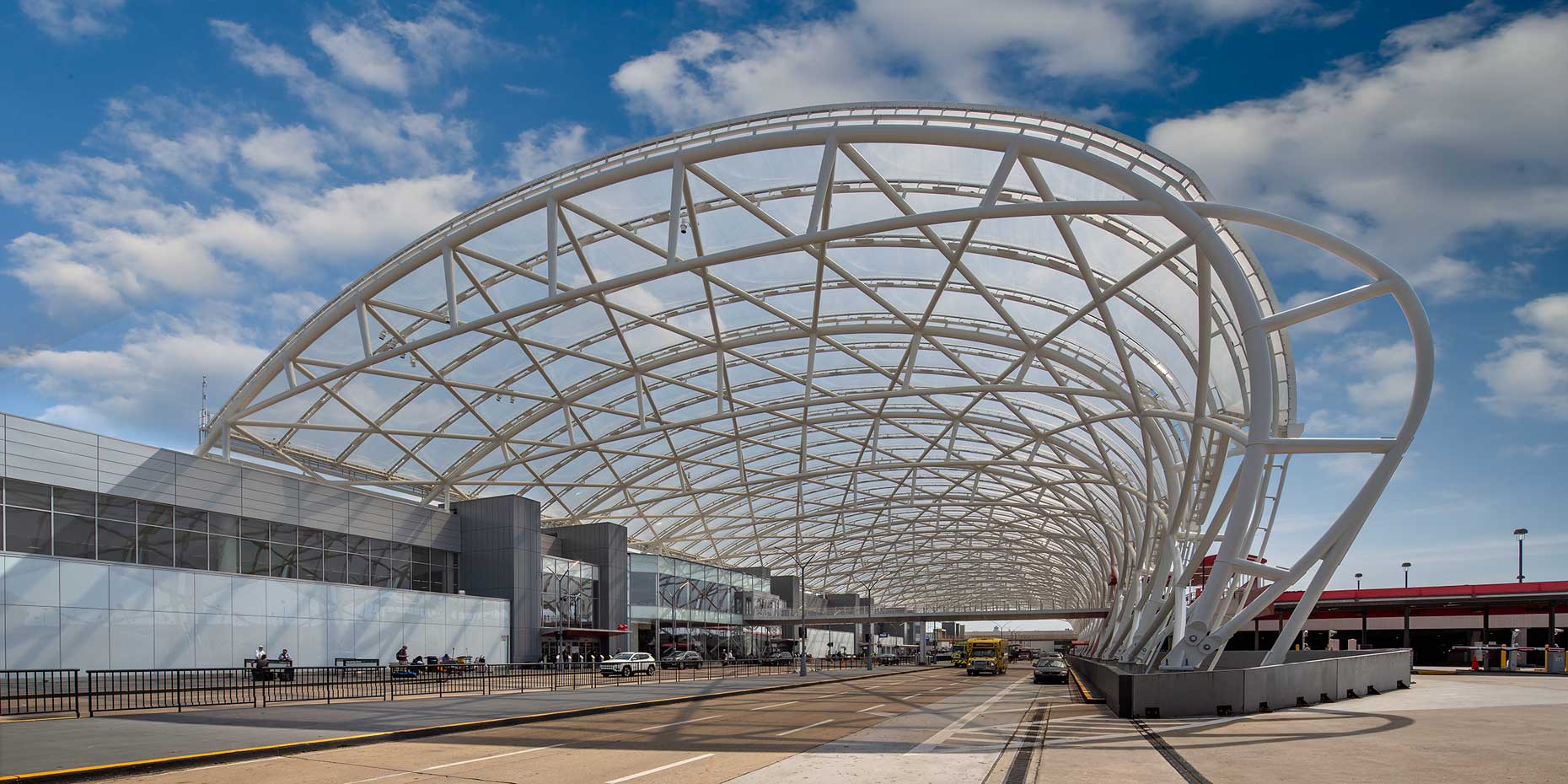


Airports are big, technical, and tightly controlled, from the curb and parking decks on the landside, to the terminals and gates on the airside. Photographing a hub for air travel means planning around operations, access, passenger flow, and schedules as much as around light.
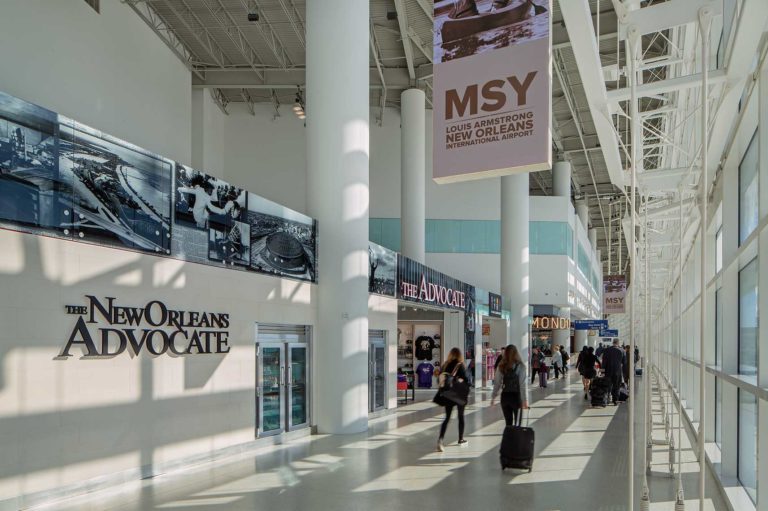
Our airport work can be viewed in more depth and detail in the Case Studies highlighting the Hartsfield-Jackson Central Passenger Terminal Complex landside modernization in Atlanta and the Louis Armstrong New Orleans airport.
This work is part of our aviation, science, and aerial drone photography portfolios. It complements our science and technology photography, which shares a similar technical complexity. Many terminals are publicly funded, so our experience in working with government and civic photography applies as well. To show the full scale of a campus or terminal complex, we add aerial drone photography.

Persuasive professional architectural
photography plays a crucial role in benefiting architects, engineers, and construction companies effectively market their aviation expertise. It goes beyond simple documentation and becomes a strategic storytelling and branding tool.
Aviation facilities are highly
experiential environments. Images capture:
• The scale of landside and airside
• Terminals and passenger flow from arrival to departure
• Concourse environs of boarding gates, waiting areas, and public concessions
• The design and quality of finishes and materials

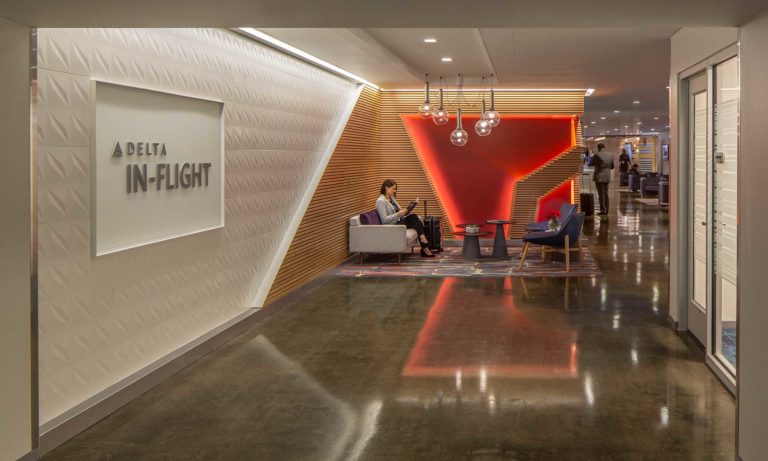
Aviation projects are highly technical
and often massive. Crafting professional imagery emphasizes the scale and operational context, highlighting design, construction, and engineering expertise both operationally and aesthetically.
Firms that invest in high-quality visuals
differentiate their expertise to complement brand leadership in aviation design and construction.
When Orville and Wilbur Wright took to the skies in 1903, they were relative latecomers; insects already had been buzzing around for 325 million years. But in a little over a century, our species has more than made up for its earthbound origins. Stunning technological advances have advanced mankind’s aviation capabilities to include numerous daily trans-continental commercial flights, humans walking on the moon, space probes gathering information from the surface of Mars, doing a fly-by of every planet in the solar system, and even penetrating interstellar space.
Photographing the facilities which support this fascinating network of transportation and technology requires an interesting mix of experience and expertise. The overriding concern with any aviation facility is security. In our portfolio, you will see the gamut of aviation venues ranging from small regional airports, to international airports, to NASA facilities. Every one of them has multiple levels of security within which the photo team must function. We’ve had to submit to, and pass, numerous security screenings, equipment searches, and background checks. Fortunately, we’ve secured permission to access every facility to date!
Once within a facility, care must be taken to be as much of a “fly on the wall” as possible, not interfering with the normal operation of the facility, nor the movement of people within. Extra time should also be factored into the photography schedule, since the security aspect of an aviation facility tends to impede fluid movement, particularly with a cartload of lights.
Feel free to return your seat to an upright and locked position. Have a great flight!


Creative Sources Photography | Atlanta Architectural Photographers